Want to get more out of every cow? Here’s what the science says about individual feeding
Not every cow has the same feed requirements. Research shows that individual feeding can contribute to greater feed efficiency, better results and more sustainable milk production.
14-8-2026 | 5 mins
Research shows: individual feeding pays off
Every farmer knows that cows are not all the same. One cow may produce a lot of milk and have high energy requirements, whilst another may perform excellently on a lower intake of concentrate. Yet on many farms, concentrate is still largely fed at group level.
This is precisely where an opportunity lies. Scientific research shows that tailoring concentrate to the needs of each individual cow can contribute to greater feed efficiency, better economic results and a lower environmental impact.
Why an adequate supply of concentrated feed remains important
Before we look at individual feeding, it is important to understand why concentrate plays such an important role in the first place.
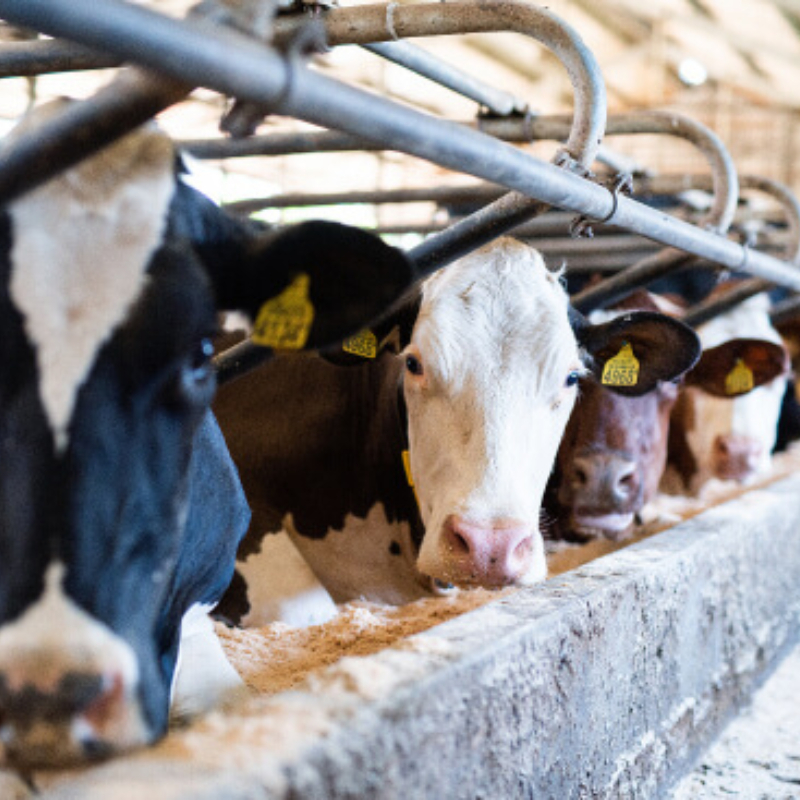
Practical research on Australian dairy farms shows that farms which provide more concentrate annually achieve significantly higher milk yields. In addition, lower emission intensity was observed and net income per cow increased significantly compared with farms that fed less concentrate.
The conclusion is not that more concentrate is always better, but rather that a good supplement to the ration can make a significant contribution to production, efficiency and operating profit.
The problem of the ‘average cow’
Many feeding systems are based on an ‘average’ cow. In practice, however, such a thing does not exist.
Within any herd, cows differ in milk production, stage of lactation, age and feed requirements. When all animals are given the same proportion of concentrate, over- or under-feeding can quickly occur. This is at the expense of both feed efficiency and profitability.
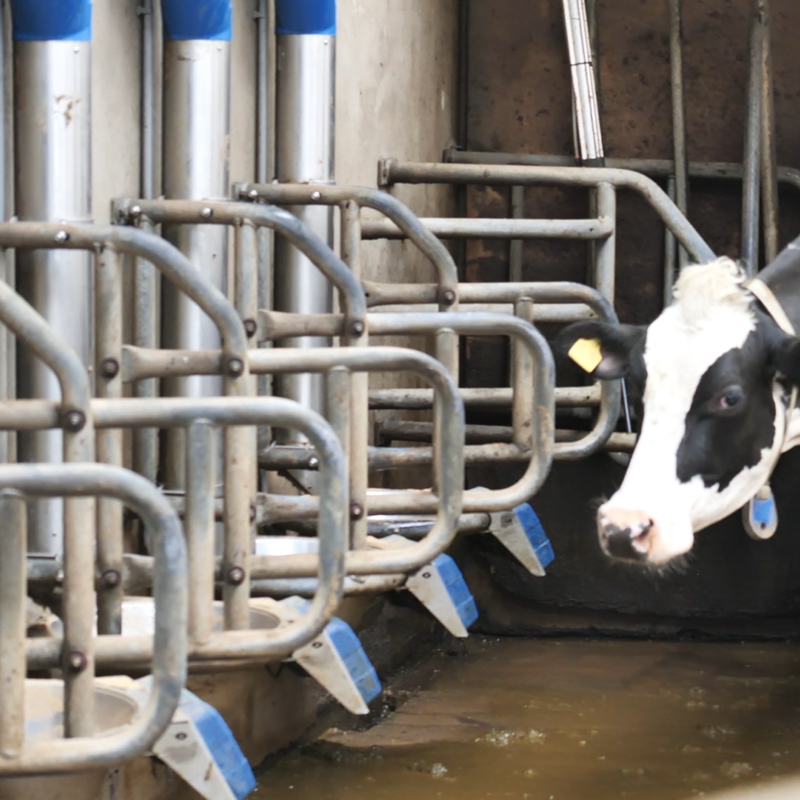
Individual feeding breaks with this approach. Under this system, each cow receives a concentrate ration that is better tailored to her individual needs. This allows nutrients to be utilised more efficiently and prevents unnecessary wastage.
What does the science say?
An increasing number of scientific studies are investigating the effects of individual feeding in dairy cattle.
According to a recent literature review by Martins & Hristov, individual feeding can contribute to a more efficient use of nutrients, higher profitability and more sustainable milk production. Furthermore, a potential reduction in methane emissions and nitrogen losses was identified.
The researchers reported:
- Up to 10% reduction in methane emissions
- Up to 40% reduction in nitrogen loss via urine compared with conventional feeding systems
This is well aligned with the growing need within the sector to utilise available nutrients as efficiently as possible.
Financially attractive results as well
In addition to the technical benefits, economic benefits have also been identified.
In a study into individually optimised concentrate rations, dairy cows achieved an additional yield of approximately €0.40 to €0.62 per cow per day compared with a traditional feeding strategy.
For a farm with 100 dairy cows, this potentially means:
- €1,200 to €1,860 (£1024 - £1588) in additional revenue per month
- €14,600 to €22,630 (£12464 - £1931) in additional revenue per year
In addition, an optimisation model by Campos et al. predicted:
- 0.4 kg extra milk per cow per day
- €0.28 (£0.24) more revenue above feed costs per cow per day
- Savings on feed costs of up to €0.90 per cow per day
Important: these results are based on the conditions and prices at the time of the studies. Due to fluctuating milk and feed prices, returns and payback periods may vary from farm to farm.
Less protein wastage
A key advantage of individual feeding lies in the utilisation of protein.
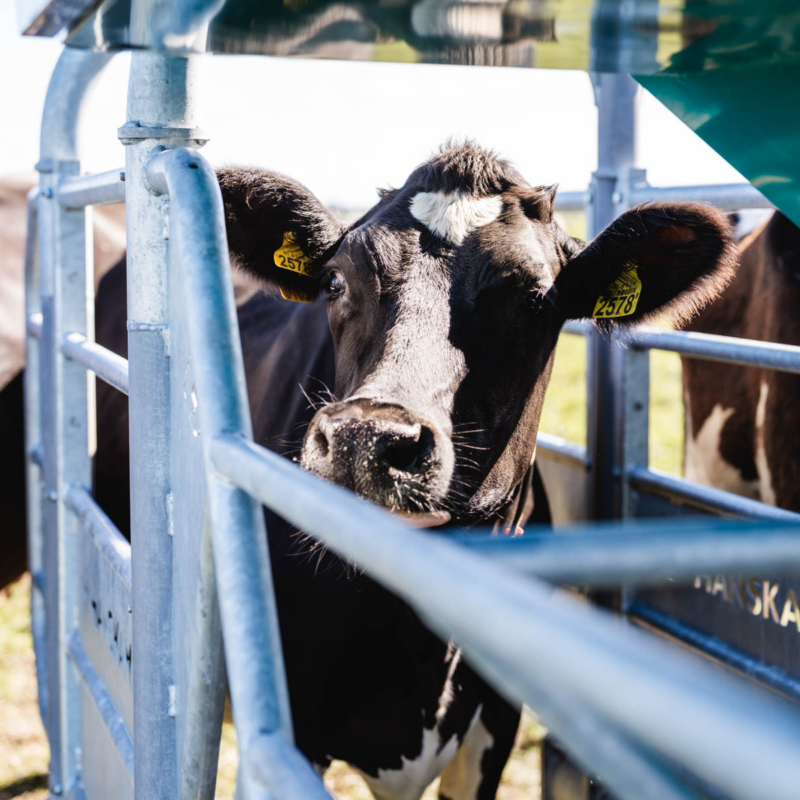
Research shows that traditional feeding strategies often provide more crude protein than individual cows actually require. Precision feeding ensures that the protein supply is better tailored to the cow’s requirements, thereby limiting overfeeding. This can lead to more efficient nutrient utilisation and reduced nitrogen loss.
A logical step towards the future
Dairy farmers face the challenge of maximising the return on available resources, whilst at the same time being required to focus on emissions and sustainability.
Scientific research shows that individual feeding can contribute to both these objectives. By feeding each cow according to her own requirements, a better balance is achieved between milk production, feed efficiency, nutrient utilisation and farm profitability.
Individual feeding is therefore not just a technological development, but above all a practical way of getting more out of every cow and every kilo of concentrate.
Sources
Based on scientific publications by Bach (2014), Souza et al. (2022), Campos et al. (2023), Morey et al. (2023), Dida et al. (2024) and Martins & Hristov (2026).
Discover our solutions for individual feeding!
1/6 FeedStation Walk-Through
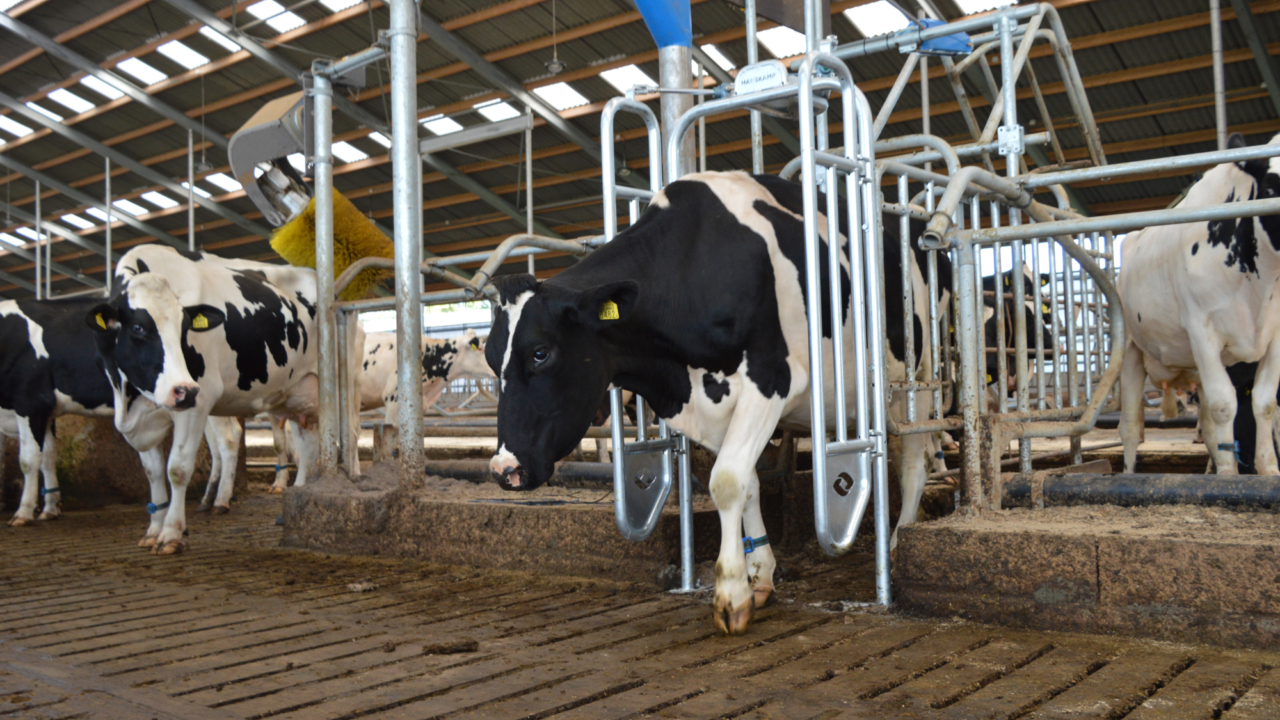
A very cow-friendly concentrate feeding station where each cow is fed individually and moves forwards out of the station.
2/6 FeedStation Walk-In
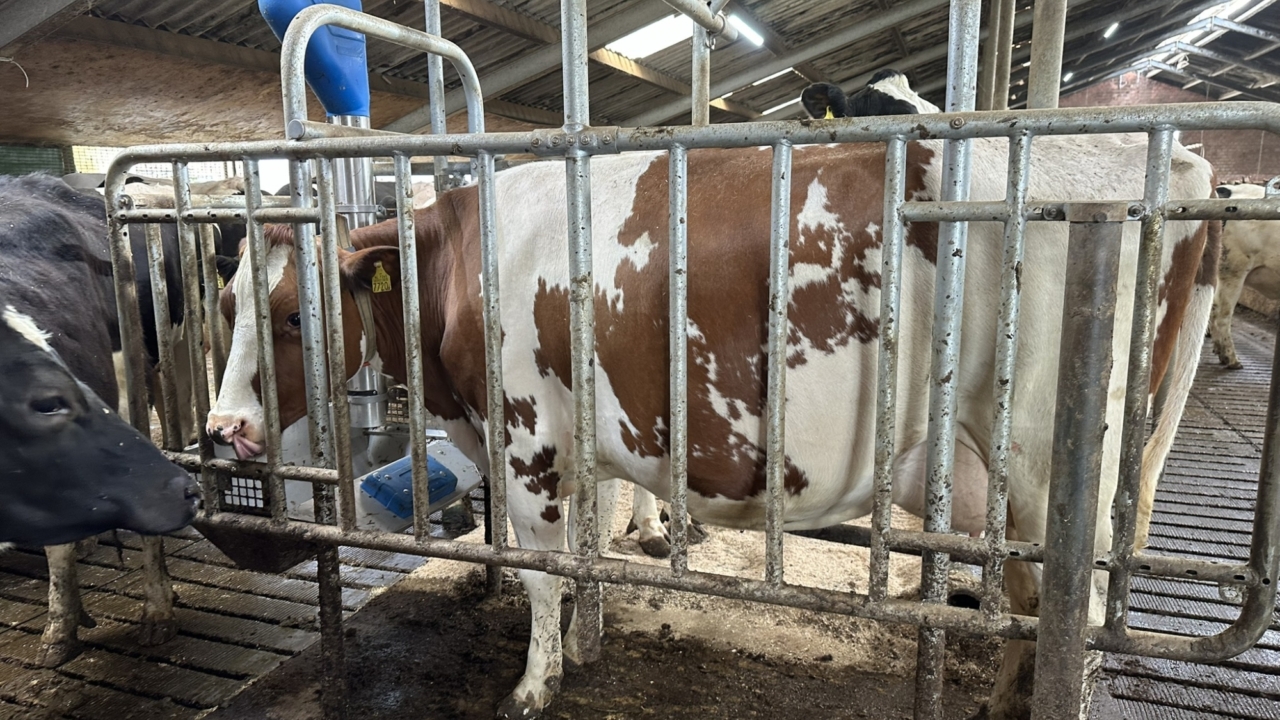
FeedStation Walk-In is a walk-in concentrate feeding station where the cow can easily maintain contact with the rest of the herd.
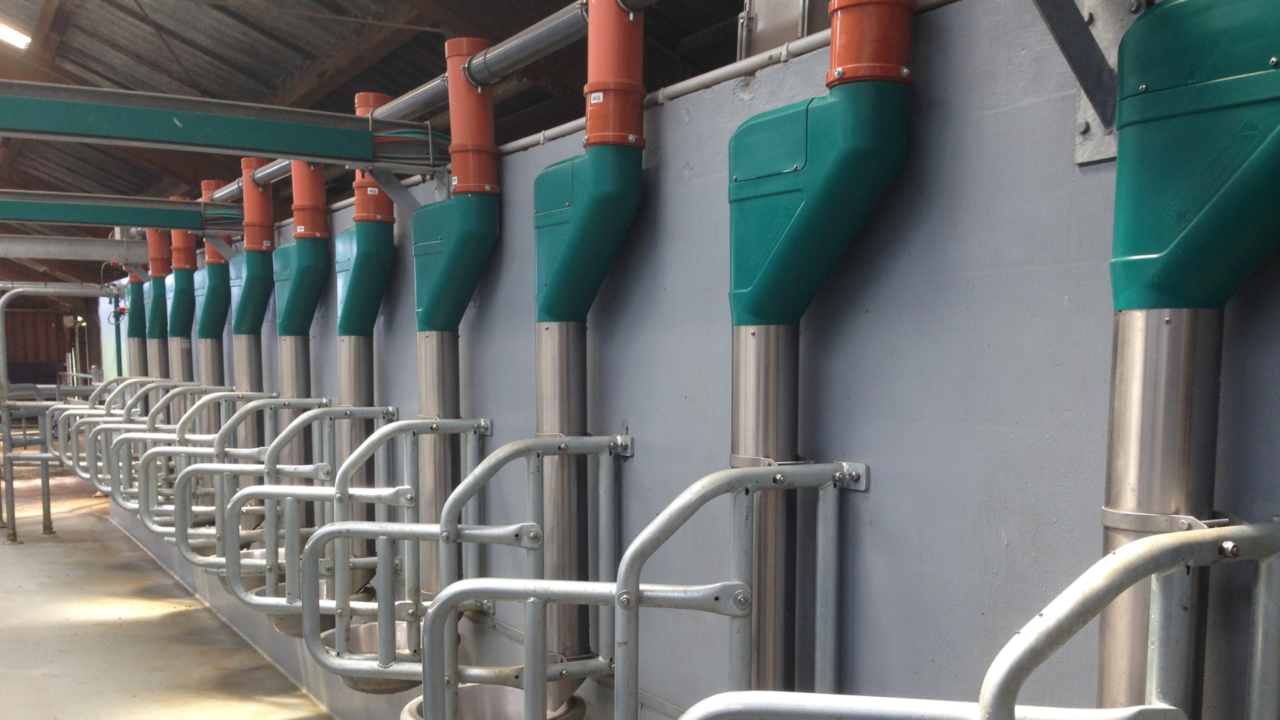
3/6 PipeFeeder
The PipeFeeder ensures accurate feeding and guarantees that not a single gram too much is dispensed, even if the cow jostles the feeder.
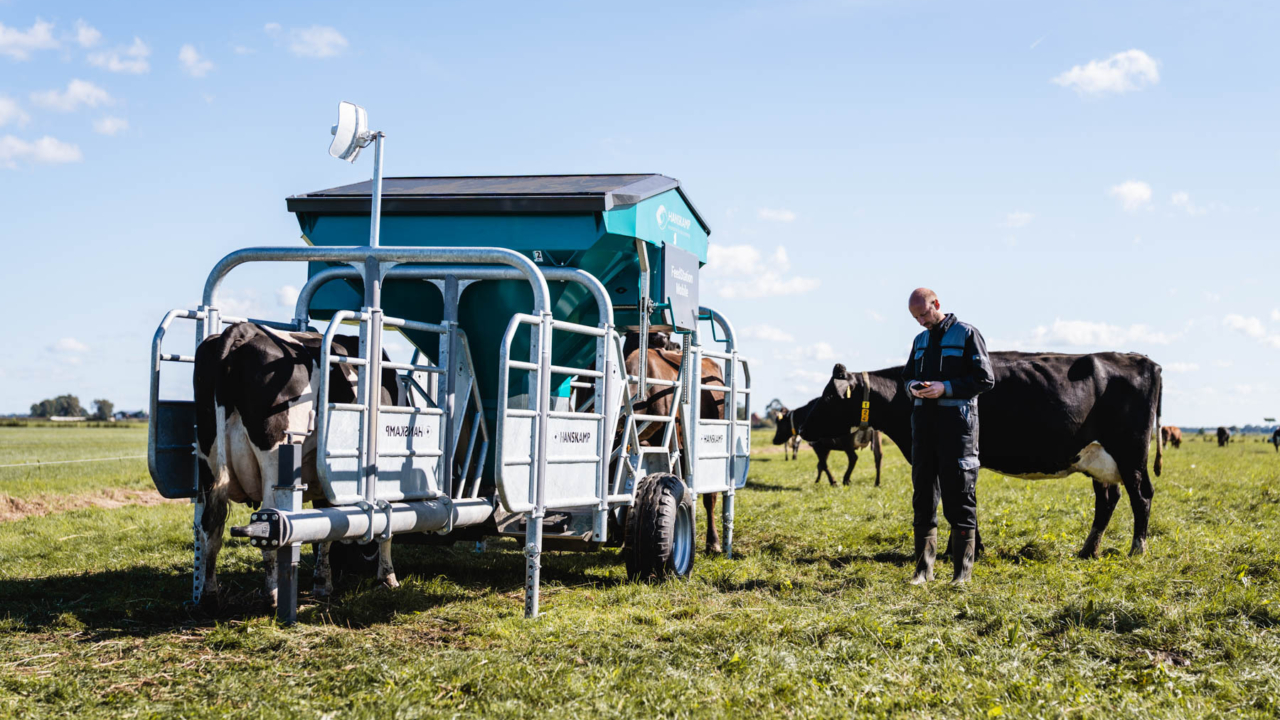
4/6 FeedStation Mobile
The FeedStation Mobile is the ultimate system for the automatic and individual feeding of concentrate to cows whilst they are out to pasture.

5/6 Spider
Spider is the feeding computer designed to dispense concentrate automatically and on an individual basis in the milking parlour or at the concentrate feeding stations.
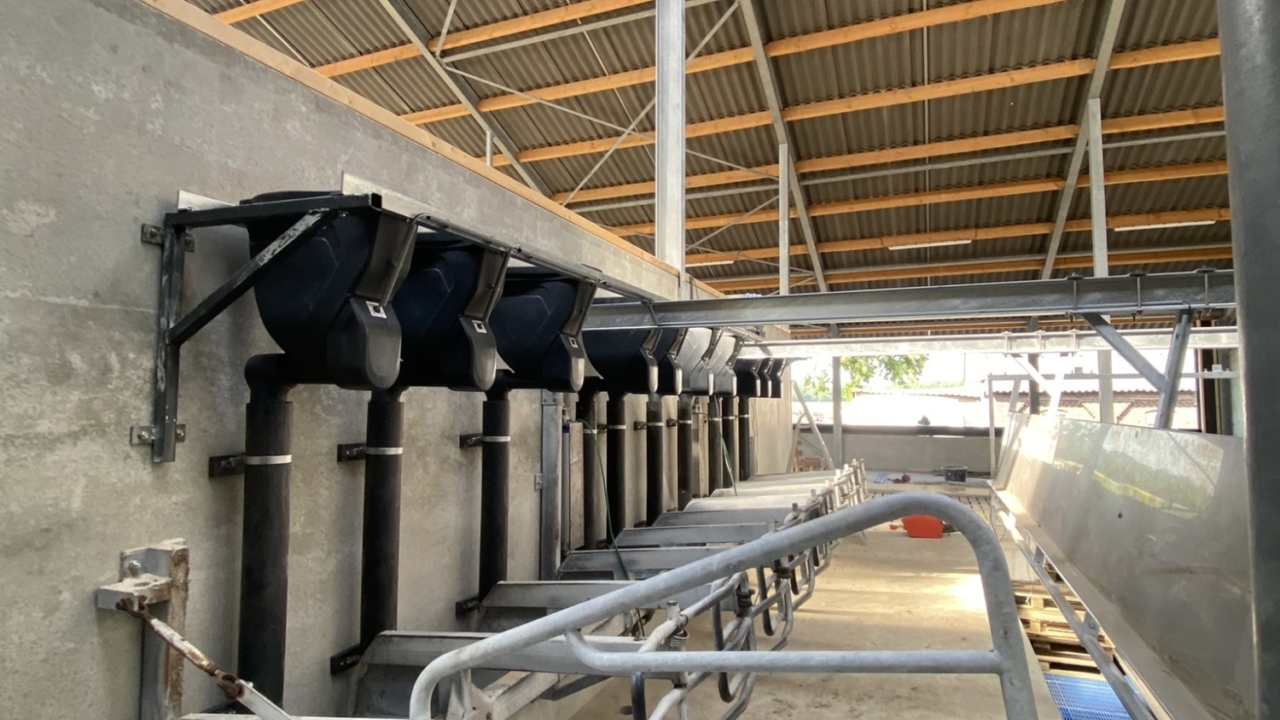
6/6 DeltaFeeder
The DeltaFeeder stands out for its durability, simplicity and precision and enhances dairy farming efficiency and milk production. The DeltaFeeder is specially designed for the United Kingdom and the Republic of Ireland.